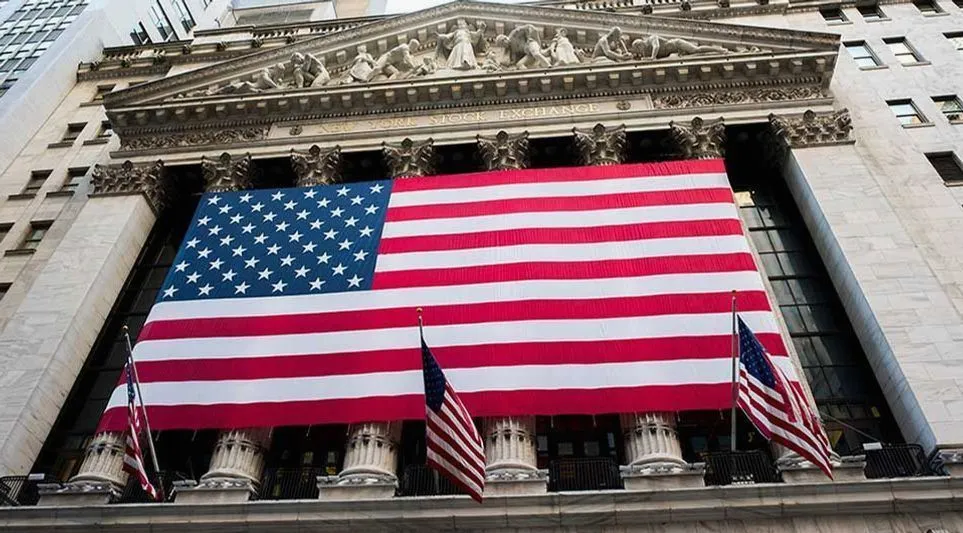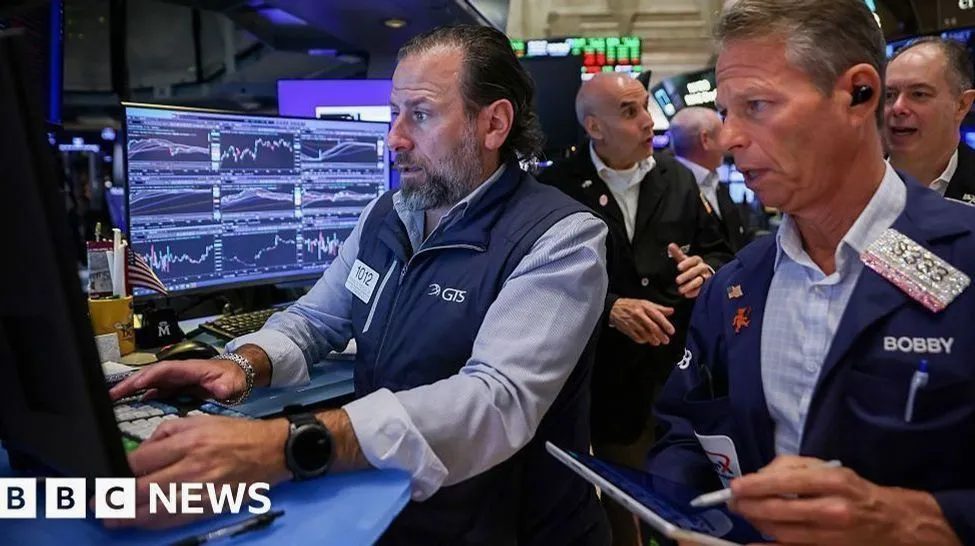
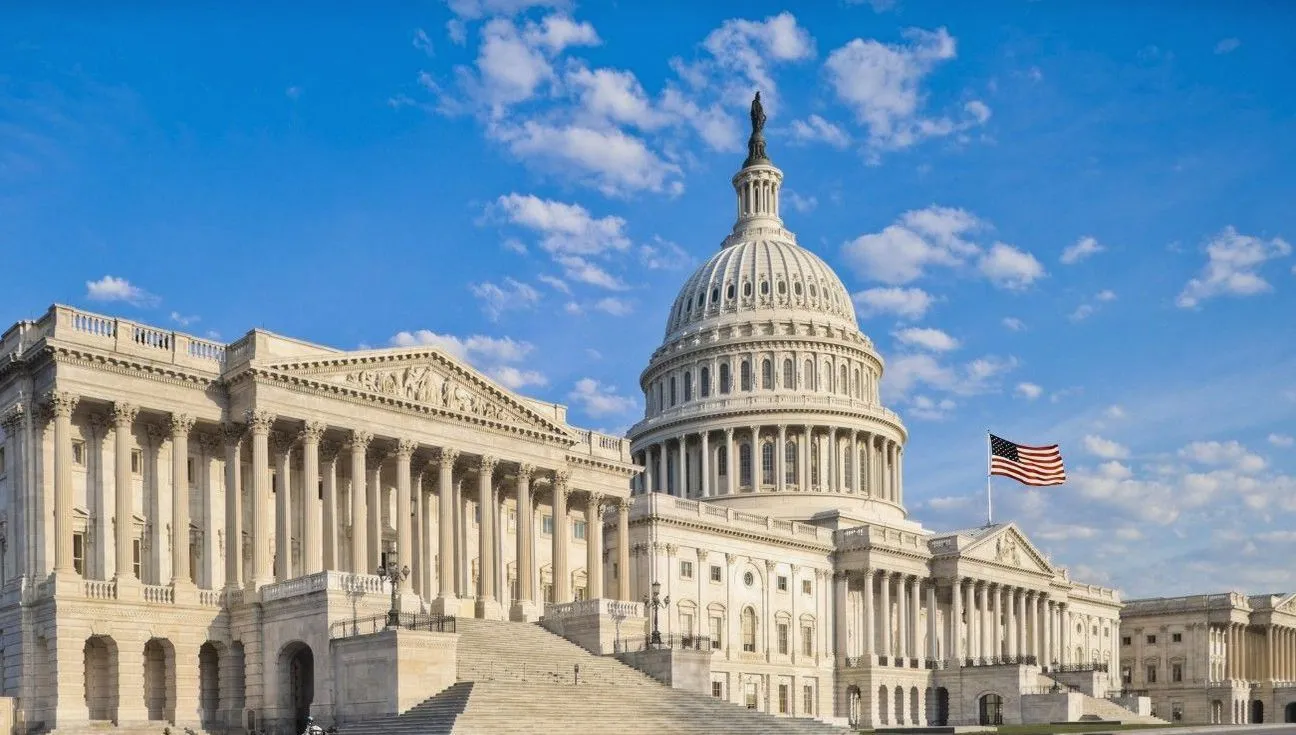
Wall Street experienced a whirlwind of emotions following the midterm elections, where voters handed Democrats control of both the House and the Senate. While the initial reaction was positive, sending the Dow to its largest daily gain of the year, the optimism evaporated quickly. By November 5, investor nerves frayed and the tech-heavy indices plummeted as fears mounted over potential regulatory crackdowns on artificial intelligence infrastructure. This sudden spike in volatility left many wondering if the usual political playbook still applies to a modern economy dominated by silicon and software.
Historically, however, there is plenty of reason for confidence. Over the last eighty years, the S&P 500 has risen in every single twelve month period following a midterm election since 1946. Interestingly, whether government is unified or divided seems to matter very little to the bottom line, with average gains hovering around fourteen percent regardless of who holds power. In fact, the specific scenario we face now—a Republican president paired with a Democratic Congress—has actually yielded an even higher historical average return of sixteen percent, largely because legislative gridlock often prevents drastic policy shocks that spook markets.
Despite these comforting statistics, current market dynamics introduce a wild card that didn’t exist in previous decades. Artificial intelligence firms now comprise more than thirty percent of the S&P 500, making the broader market hypersensitive to sector-specific regulations. There are growing concerns that Democrats may target the massive amounts of electricity and water consumed by data centers, potentially slowing expansion through aggressive committee hearings and stricter permitting processes. This explains why tech trusts have seen significant declines recently while more traditional industrial stocks have remained relatively stable.
Ultimately, analysts suggest that macro fundamentals like GDP growth and Federal Reserve interest rates will carry more weight than ballot boxes over the long term. Investors should keep a close eye on upcoming corporate earnings reports and congressional appointments to see if cloud giants maintain their spending levels or pull back in anticipation of new rules. If volatility subsides soon, this recent dip may be viewed simply as a brief repricing event rather than a fundamental shift in fortunes for American equities.